

Our Vision
We rise as Aztec warriors
Rooted in knowledge.
Fueled by purpose.
United in voice.
We cultivate thinkers, leaders, and changemakers — building a future that honors our past and empowers generations to come.

Our Core Values

Our History
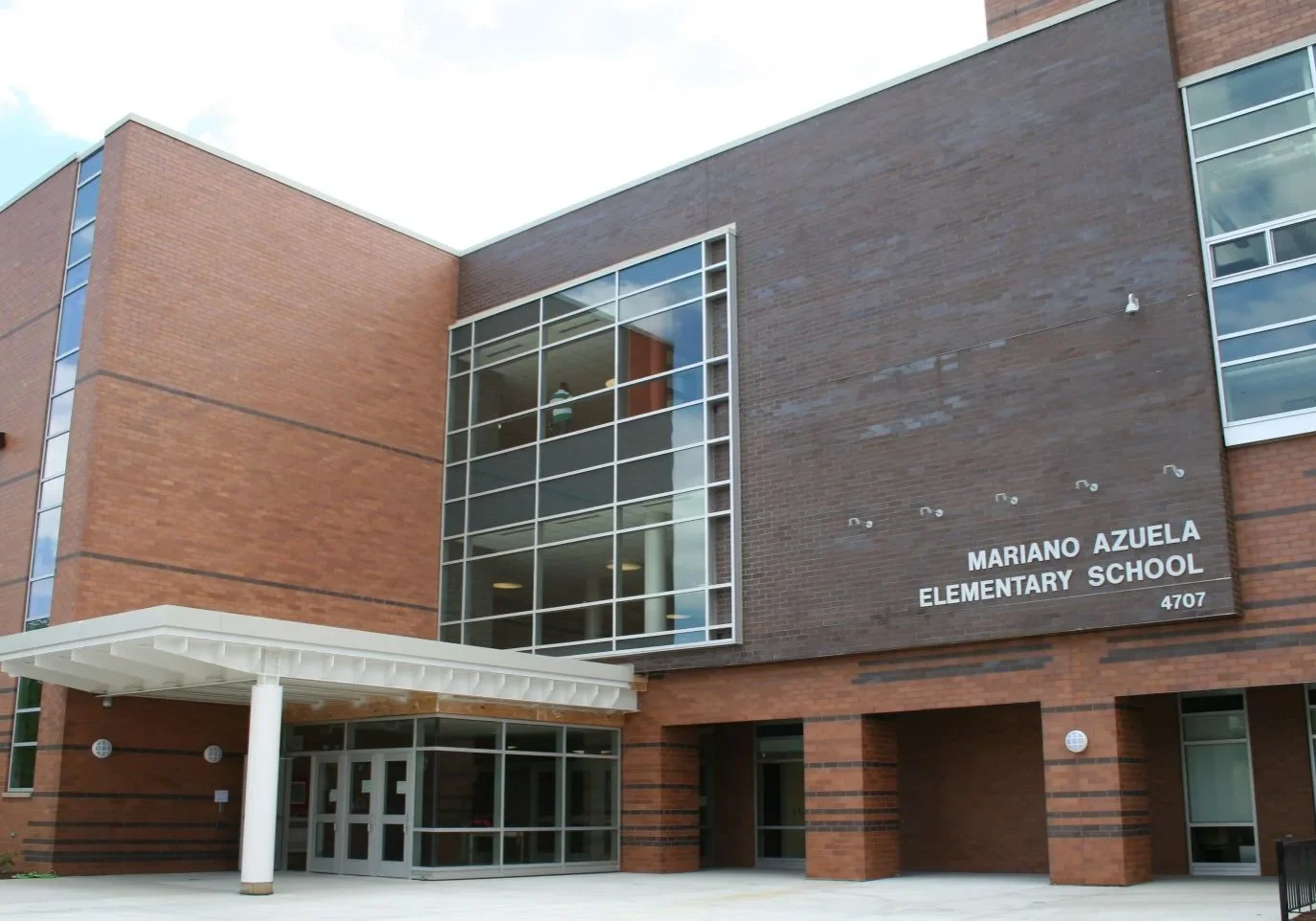
Azuela’s inaugural year was in 2010. We are a proud member of Chicago’s West Lawn Community. The building structure is made of recycled materials that contribute to an eco-friendly and energy-efficient building.
One example of this is how electricity works with natural light. As natural light comes in, the lights adjust in brightness to conserve energy. Lighting operates with sensors to ensure lights turn off when the space is not in use.
Azuela is home to a green roof. Green roofs can improve storm water management by reducing runoff and improving water quality, conserve energy, increase longevity of roofing membranes, reduce noise, and air pollution.
Our Namesake
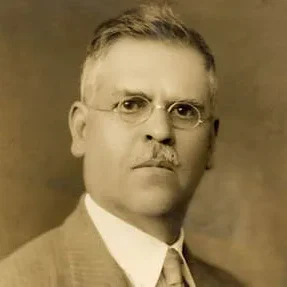
Mariano Azuela
The Mexican Writer Who Chronicled the Mexican Revolution
Mariano Azuela, (born January 1, 1873, Lagos de Moreno, Jal, Mexico—died March 1, 1952, Mexico City), Mexican writer whose 20 novels chronicle almost every aspect of the Mexican Revolution.
Marino Azuela received an M.D. degree in Guadalajara (Escuela de Medicina-1899) and practiced medicine, first in his native town and after 1916 in Mexico City. His best-known work, Los de abajo (1916; The Under Dogs), depicting the futility of the revolution, was written at the campfire during forced marches while he served as an army doctor with Pancho Villa in 1915. Forced to flee across the border to El Paso, Texas, he first published the novel as a serial in the newspaper El Paso del Norte (October–December 1915).
Returning from Texas to Mexico City in 1916, Azuela, disillusioned with the revolutionary struggle, wrote novels critical of the new regime: Las moscas (1918) and Los caciques (1917; together translated as Two Novels of Mexico: The Flies. The Bosses), and Las tribulaciones de una familia decente (1918; The Trials of a Respectable Family).
He experimented with stylistic devices in later novels such as La malhora (1923; “The Evil Hour”), El desquite (1925; “Revenge”), and La luciérnaga (1932; The Firefly). His complete works appeared in three volumes in 1958–60.
The texts of his literary talks are grouped in the book "One Hundred Years of Mexican Novels." Several of his works have been taken to film and theater.
He was a founding member of El Colegio Nacional (1943). In 1942 he receive the Prize for Literature and in 1949 the National Prize for Arts and Sciences. "Los de abajo" (The Under Dogs) is the best-selling novel in the history of Mexican literature and has been translated into dozens of languages.
SOURCE
Britannica
1979 Reader’s Digest Mexico, S.A de C.V.
1971 Salvat Editores, S.A. Barcelona